Belt Filter Press: Complete Operation, Maintenance & Industry Trends Guide (2025-2030)

Introduction

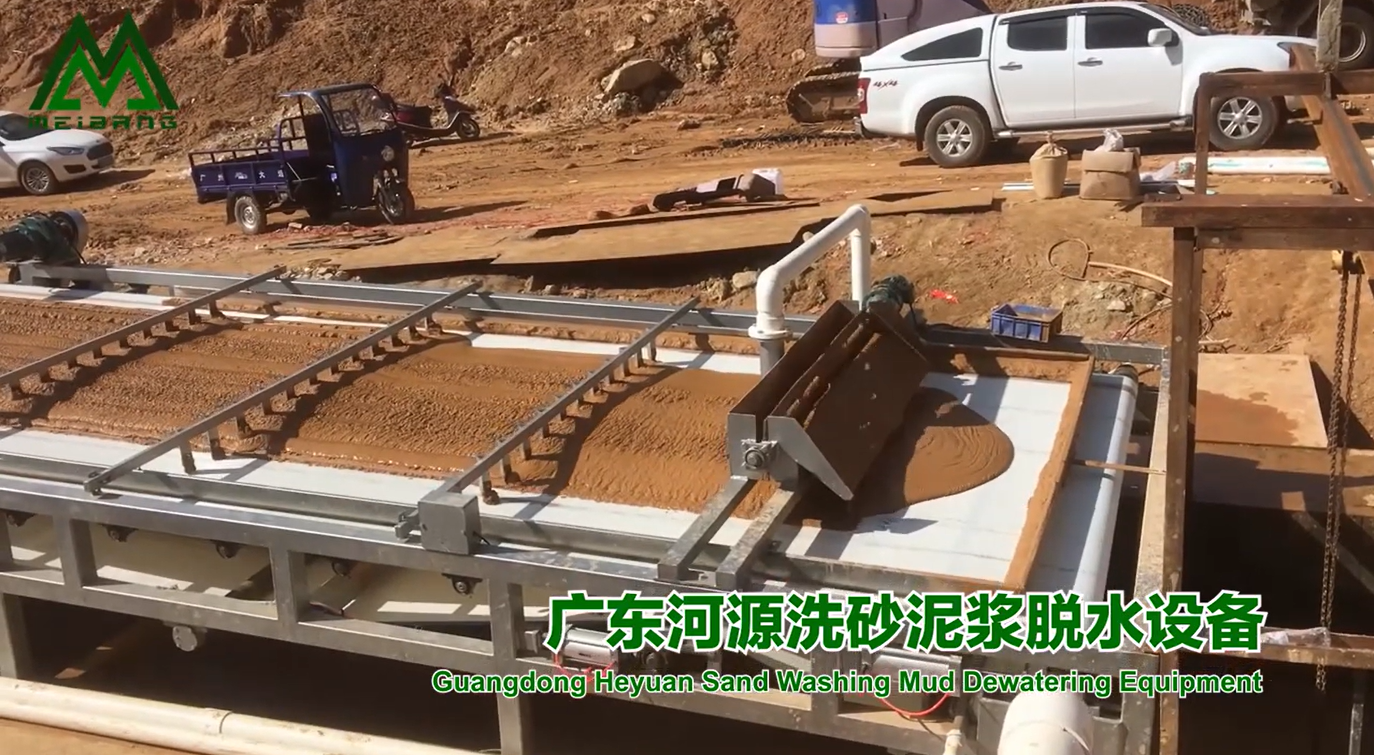
As a core solid-liquid separation equipment in wastewater treatment, mining tailings management, and industrial sludge dewatering, belt filter presses (BFPs) have become indispensable for environmental compliance and operational efficiency. This guide integrates global best practices, technical specifications, and market insights to help operators optimize performance, extend equipment lifespan, and stay ahead of industry innovations.

I. Step-by-Step Operation Manual

1. Pre-Operation Preparation (Critical for Safety & Efficiency)

  • Mechanical Inspection
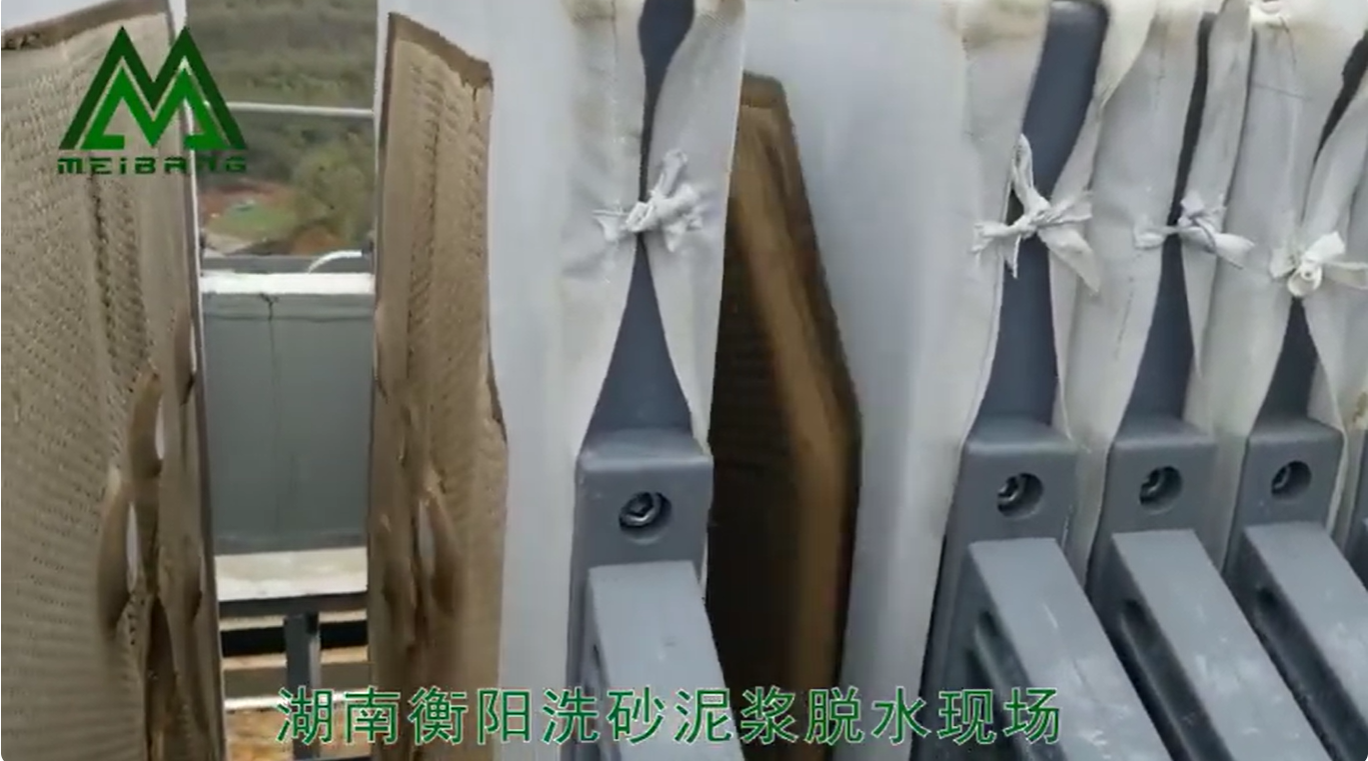
    • Check filter belt for damages (tears >100mm require immediate replacement) and proper tension (adjust via cylinder pressure control) .
    • Verify roller alignment and cleanliness—remove residual sludge to prevent belt deviation .
    • Inspect hydraulic/pneumatic systems: oil level at sight glass midline, no leaks, and air pressure stability .
  • Electrical & Auxiliary Checks
    • Ensure control panel indicators function normally; tighten loose terminals .
    • Test feed pump, washwater pump (pressure ≥0.3MPa), and conveyor system .
    • Confirm polymer supply (e.g., Zetag 7878 FS 40) and mixing device functionality .
  • Safety Confirmation
    • Wear slip-resistant shoes and protective gloves; secure long hair .
    • Verify emergency stop buttons and lockout/tagout procedures .

2. Standard Operating Procedure

Follow the “Auxiliary First, Main Machine Later” sequence:

  1. Start the cake conveyor (if equipped) and confirm correct direction .
  2. Activate washwater pump to pre-wet the filter belt uniformly; then start the BFP main unit at minimum speed .
  3. Initiate feed pump and adjust valve gradually—monitor cake formation (uniform thickness, no accumulation) .
  4. Optimize parameters:
    • Belt speed: 1.2-1.5m/min for cake moisture ≤80% .
    • Tension pressure: Adjust by 0.2-0.5MPa if moisture is too high .
    • Polymer dosage: Calibrate based on sludge flocculation effect .
  5. Continuous Monitoring:
    • Track motor current (≤1.1x rated value) and equipment noise .
    • Check filtrate clarity—turbidity indicates filter belt damage .
    • Limit continuous operation to 16 hours/day .

3. Shutdown Protocol

  1. Stop feed pump first; keep main unit and washwater pump running to flush residues until filtrate clears .
  2. Turn off main unit, then washwater pump and conveyor .
  3. For long-term shutdown:
    • Relieve filter belt tension and hydraulic pressure .
    • Disconnect power and cover with dust-proof cloth .

II. Comprehensive Maintenance Guide

1. Preventive Maintenance Schedule

Frequency

Key Tasks

Specifications

Daily/Shift

– Clean equipment surfaces and sludge collection troughs>- Inspect filter belt wear and roller temperature feed rate, cake moisture, and wash time

Roller temperature: Hand-touchable (no burning sensation)

Weekly

– Clean internal frame sludge drive belt/chain tension>- Lubricate tension cylinder piston (lithium grease)

Chain lubrication: Apply chain oil every 2 weeks

Monthly

– Check hydraulic oil viscosity (drop time ≥5 seconds) roller bearings with calcium-based grease (1/2-2/3 of bearing cavity)- Calibrate pressure sensors (deviation ≤2%)

Grease type: Calcium-based for bearings

Quarterly

– Measure filter belt thickness (replace if ≤70% of original) welds for cracks Replace reducer gear oil (per manual)

Filter belt replacement trigger: ≥5% damaged area

2. Filter Belt Care (Lifespan Extender)

  • Cleaning: High-pressure water (0.3-0.5MPa) daily; 5-10% neutral detergent soak weekly .
  • Replacement: When cake moisture increases by 10% or continuous tears occur .
  • Installation: Ensure centering alignment and uniform tension .

3. Common Troubleshooting

Problem

Root Cause

Solution

High Cake Moisture

– Excessive feed volumeufficient belt tensionogged filter belt

– Reduce feed pump frequency Increase tension by 0.2-0.5MPa- Extend wash time or replace belt

Belt Deviation

– Misalignment during installation>- Uneven roller wear>- Unbalanced feed

– Realign filter belt manually>- Replace worn rollers Adjust feed deflector

Turbid Filtrate

– Filter belt damage belt and roller

– Repair small tears (adhesive) or replace belt gap to ≤2mm

Abnormal Noise

– Damaged bearings- Loose fasteners- Worn transmission parts

– Replace bearings with matching model bolts per torque specs Replace worn belts/chains

III. 2025-2030 Industry Trends & Market Insights

1. Market Growth Drivers

  • Policy Push: Global “Zero Waste City” initiatives drive municipal sludge treatment demand—China’s market to reach $9.2B by 2030 (CAGR 11.3%) .
  • Industrial Expansion: Chemical, food, and mining sectors adopt BFPs for compliance—paper and 印染 industries show 14.3% annual growth .
  • Regional Hotspots: East/South China account for 61.7% of global demand; Southeast Asia and Africa emerge as export hubs .

2. Technological Innovations

  • Smart Control: AI algorithms optimize dewatering efficiency; IoT enables remote monitoring (adopted by leading manufacturers like Jingjin Environmental) .
  • Energy Efficiency: Frequency conversion drives and energy recovery systems reduce 能耗 by 15-20% .
  • Material Advancements: High-wear filter belts extend lifespan by 30%; intelligent pressure distribution in roller groups .

3. Future Requirements for BFPs

  • Performance Benchmarks: Target cake moisture ≤65% by 2027 (down from current 75-80%) .
  • Compliance Features: GMP certification and online cleaning for food/pharmaceutical use .
  • Service Transformation: Shift from “equipment sales” to “system solutions + smart maintenance” .

4. Competitive Landscape

  • Market concentration rising: CR5 to reach 58% by 2030 .
  • Key Differentiators: Operational stability, energy efficiency, and after-sales service .

– 国产化率: Core components (filter belts, drives) to reach 85% by 2027 .

IV. Safety & Compliance

  • Operational Safety: No access to moving parts during operation; use lockout/tagout for maintenance .
  • Electrical Safety: Waterproof control cabinets; inspect cable insulation regularly .
  • Regulatory Compliance: Adhere to local environmental standards (e.g., EPA biosolids guidelines in the U.S.) .

This guide is updated based on 2025 industry data and global best practices. For model-specific instructions, refer to the manufacturer’s manual.